
Maintaining a crystal-clear, safe, and hygienic swimming pool goes far beyond simply adding chlorine “when the water looks cloudy.” Proper pool chemical management is a science, not an improvised task. In hotels, resorts, and condominiums, small mistakes in chemical handling often lead to fines, guest complaints, or even temporary closures by health authorities.
If your pool water has a strong smell, slippery surfaces, foam, or fluctuating pH and chlorine levels, there’s a good chance you’re making one of these mistakes.
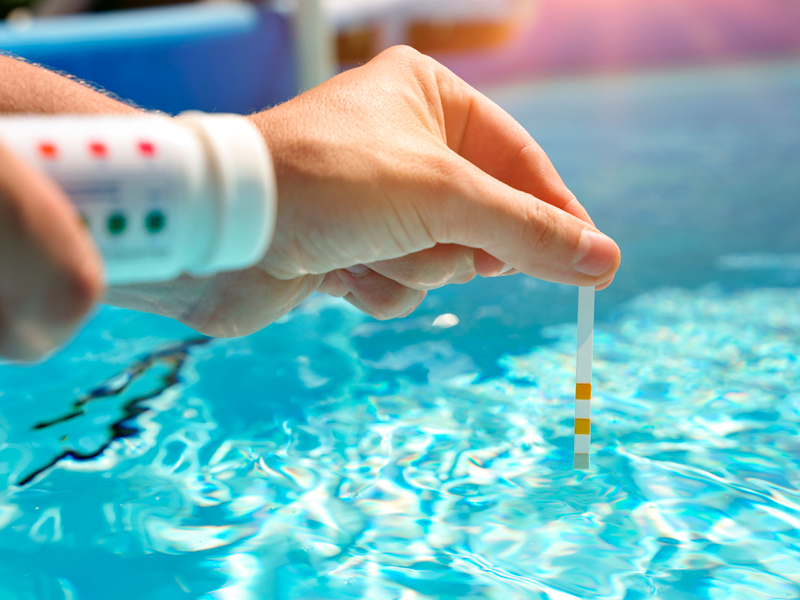
Adding chlorine or algaecides without first testing pH, alkalinity, or disinfectant levels is like cooking without tasting and blindly adding salt.
Potential risks:
✅ Best practice: Perform daily water tests with a reliable kit (preferably digital). Maintain free chlorine between 1.0–3.0 ppm and pH between 7.2–7.6.
Some pool chemicals should never be mixed, for example, chlorine with acids can cause dangerous chemical reactions, releasing toxic gases or even causing explosions.
Potential risks:
✅ Best practice: Always read product labels and follow manufacturer instructions. Store chemicals separately, in their original containers, in a cool, ventilated area.
Every chemical product has a precise dosage, application method, and contact time for maximum effectiveness. Skipping these steps wastes resources and reduces safety.
Potential risks:
✅ Best practice: Keep product datasheets accessible and train staff regularly on correct handling procedures.
Exposure to sunlight, humidity, or high temperatures can break down chemical compounds, making them less effective and more dangerous.
Potential risks:
✅ Best practice: Store pool chemicals in a dry, shaded, and well-ventilated space, away from heat sources and incompatible materials.
Professional pool maintenance ensures water safety, protects equipment investment, and keeps facilities compliant with health regulations. By avoiding these common mistakes, hotel and facility managers can provide guests with a clean, safe, and enjoyable swimming experience year-round.
At Quimco, we provide specialized water treatment solutions for commercial and residential pools, including:
With our expertise, your facility not only meets health and safety regulations but also delivers a superior swimming experience for every guest.
Quimco – Experts in Water Treatment Solutions.